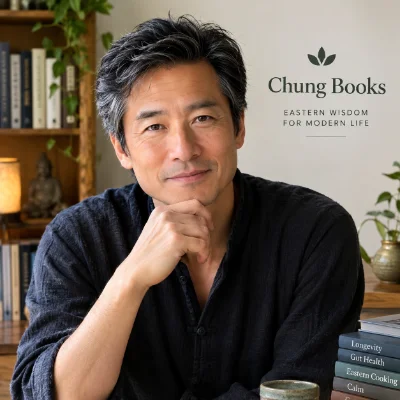
Who I am. Chung H. is a pen name. Behind it is one person: an independent researcher and writer based in France, with no institutional affiliation, who has spent years reading the primary literature on Eastern wellness practice and writing about what holds up against it. I research, draft and edit every title in the Chung Books catalog and everything on this site. I hold no medical or Traditional Chinese Medicine qualification, I have never trained clinically, and I do not diagnose, prescribe or treat anyone. What I do is read the sources carefully, cite them, and stay honest about the line between what is established and what is only tradition. This website is the official home for that work: the place to read free companion material, browse the full catalog, and see exactly how each book's claims are sourced.
What I write about. Eastern wellness practice translated into something usable: Yang Sheng, Traditional Chinese Medicine, Japanese longevity culture, qigong, seasonal eating, fermentation, sleep and the daily rhythms that traditional systems built entire frameworks around. Not folklore repackaged as content, and not wellness aesthetics. Practices, examined.
Why I write. Most of what passes for “ancient wisdom” online is either dismissed outright or accepted uncritically, and both responses skip the actual work. I write because that gap is worth closing: taking traditions that mapped the body through centuries of sustained observation and checking, point by point, what still holds against modern data.
My editorial philosophy. Every claim in a Chung Books title falls into one of three categories: supported by evidence, traditional but untested, or contradicted by current research. I say which is which. If a practice cannot be traced to a mechanism or a body of observation, it does not get presented as fact. It gets named as tradition, and left at that.
Areas of interest. Traditional Chinese medicine and the organ-clock model of circadian rhythm. Taoist longevity practice and qigong. Japanese daily ritual: tea, breakfast structure, hara hachi bu, ikigai. Fermentation and gut health across Japanese and Korean tradition. Sleep, stress and the nervous system through an Eastern lens. The throughline across all of it is rhythm and maintenance, not intervention and repair.
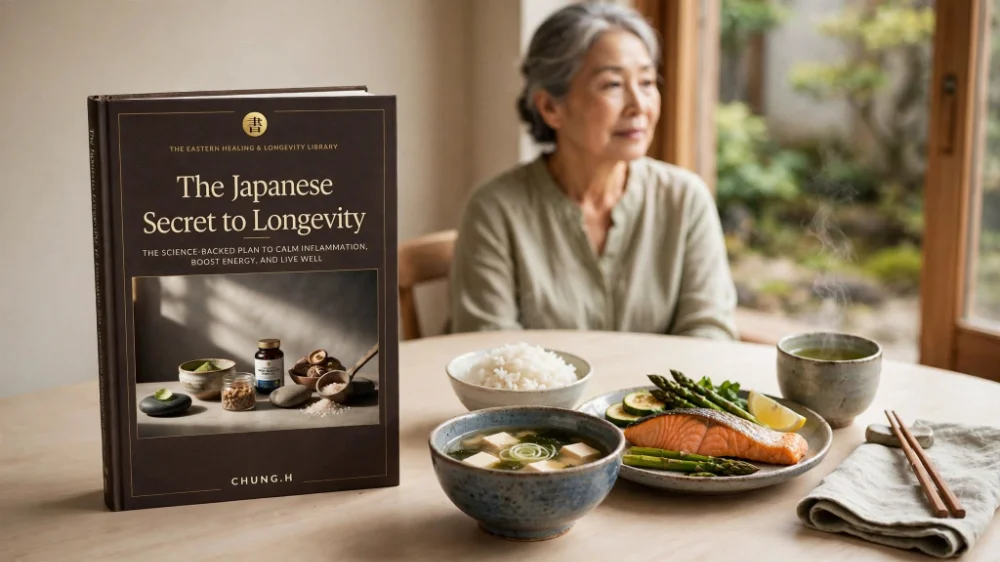
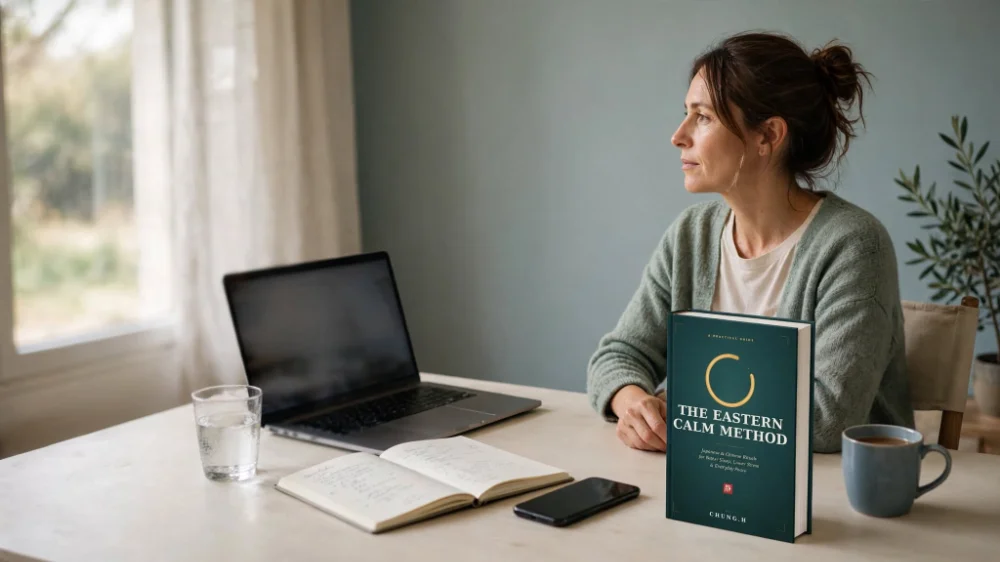
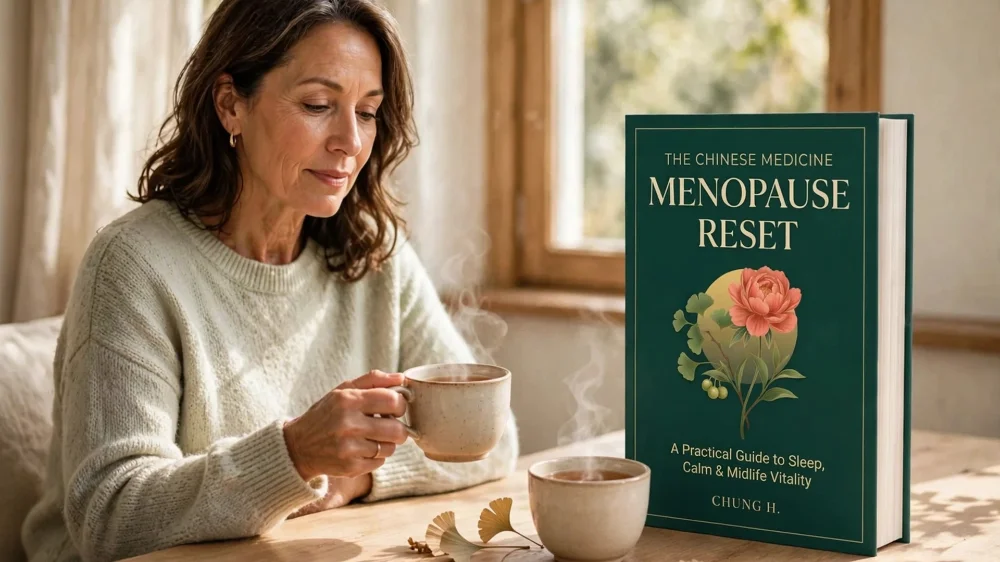
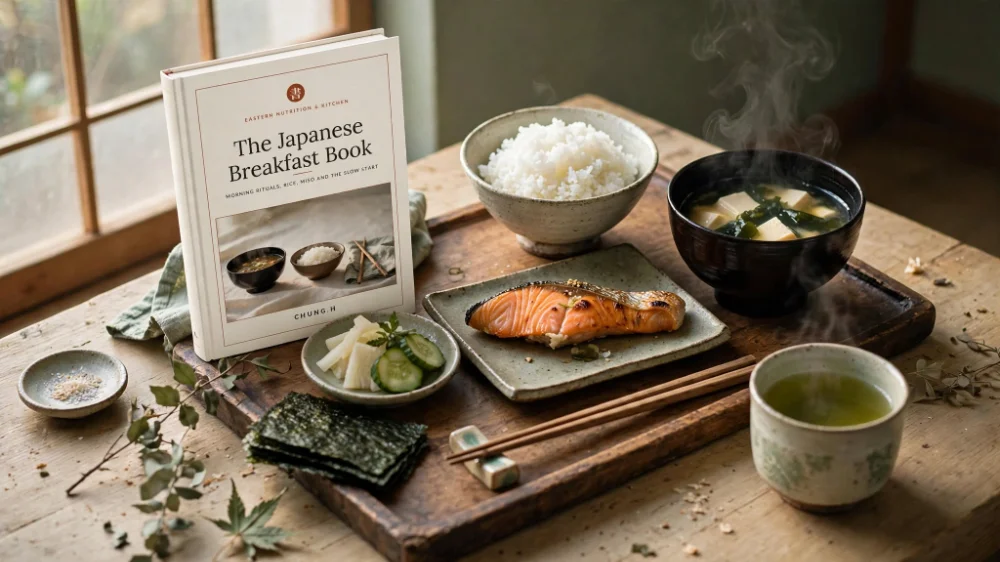
My books. Forty-nine titles in English and French, across six series, covering longevity, Eastern cooking, gut health, sleep and calm, and targeted resets for specific conditions. They are self-published through Amazon Kindle Direct Publishing; the full catalogue is on my Amazon author page. Each one is written to stand alone. A reader who buys a single title should not need the other forty-seven to get value from it.
Traditional knowledge and modern evidence. I treat these as two independent sources of information about the same body, not as competing belief systems. Traditional practice gets credit for what it noticed correctly, long before there was a mechanism to explain it. Modern research gets the final word on what actually holds up. Where the two agree, that is the strongest claim I can make. Where they do not, I say so plainly and let the reader decide what to do with a practice that is old but unproven.
What you'll find on this site. Free long-form articles on the same topics as the books, organized by subject in the Journal; a full library of every Chung Books title with honest descriptions; and a handful of interactive tools (a Qigong routine, a circadian planner, a diet guide) built to put the written material into practice. Nothing on this site requires a purchase to be useful.
How this site relates to the books. The articles here are not excerpts or advertisements. Each one stands on its own and covers its subject in full. Where a book goes deeper into a topic, an article says so directly and links to it, the way one chapter might point to another. The site exists first; the books are for readers who want a single subject treated at full length in one place.
Stated plainly
Chung H. is a writer and independent researcher, not a physician and not a qualified practitioner of Traditional Chinese Medicine. Nothing published by Chung Books is medical advice, diagnosis or treatment, and every article carries that notice. Readers with health conditions should consult a qualified clinician.